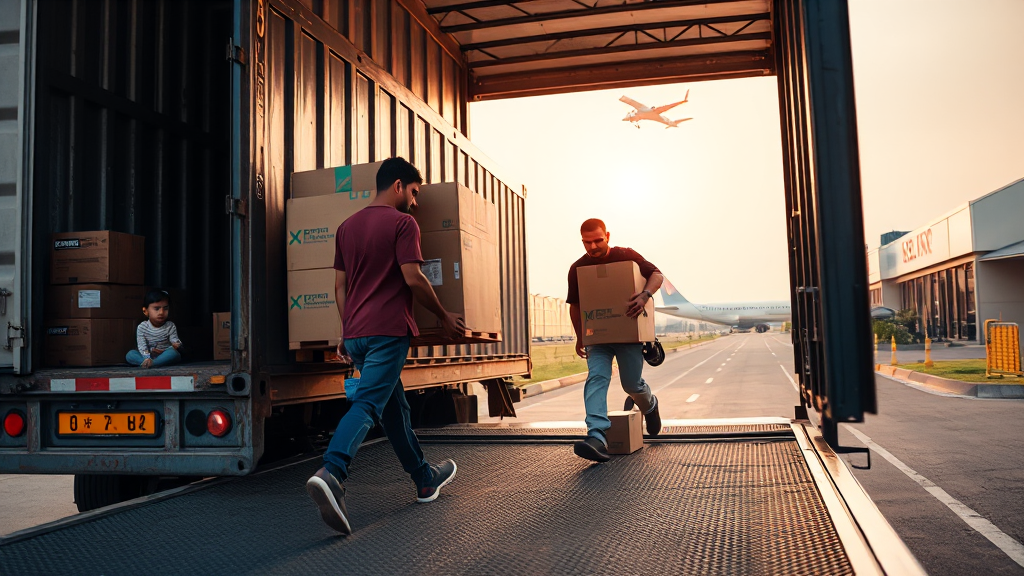
How International Cargo Services in Rawalpindi Simplify Global Shipping
Rawalpindi sits at the heart of Pakistan’s northern transport network, just minutes from Islamabad and within easy reach of the Islamabad International Airport and the dry port at Hattar. For families sending household goods abroad, students shipping personal belongings, and businesses moving commercial consignments, this location matters. Reliable international cargo services in rawalpindi turn a complicated cross-border process into a manageable, door-to-door experience. Instead of juggling multiple agents, customs paperwork, and uncertain timelines, customers can work with one coordinated service that handles pickup, packing, documentation, freight, and final delivery.
This article explains what these services actually involve, how the process works from start to finish, what affects pricing, and how to choose a provider that protects your goods and your budget.
Why Rawalpindi Is a Practical Base for International Cargo
Rawalpindi’s geography gives it a real logistical advantage. The city is connected to the capital’s airport, the motorway network, and major dry ports that handle containerized and air freight. That means cargo originating in Rawalpindi, Islamabad, and surrounding areas can move quickly to international gateways without excessive inland transit.
Local cargo companies also benefit from a dense network of packing crews, warehousing space, and customs brokers. When a shipment needs to be consolidated with other consignments heading to the same destination, this infrastructure makes it possible. For customers, the practical result is fewer handoffs and less risk of damage or delay.
Another advantage is experience. Because Rawalpindi and Islamabad send a steady flow of household goods, personal effects, and commercial cargo overseas, local teams understand the documentation requirements for popular destinations in the Gulf, Europe, North America, and the Far East. That familiarity reduces the chance of a shipment being held up at customs.
What Door-to-Door International Cargo Actually Includes
A genuine door-to-door service covers the entire journey, not just the flight or sea voyage. Understanding the scope helps you compare quotes fairly, because a low price that excludes packing or destination charges is rarely a bargain.
Typical stages include:
- Survey and quotation: A representative assesses the volume and weight of your goods, notes fragile or high-value items, and provides a written estimate.
- Professional packing: Items are wrapped, boxed, and labeled using materials suited to international transit, including double-walled cartons, bubble wrap, and custom crating for furniture or electronics.
- Pickup and inland transport: Goods are collected from your home or office and moved to a warehouse or directly to the export gateway.
- Export documentation: Commercial invoices, packing lists, certificates of origin, and any destination-specific permits are prepared.
- Customs clearance at origin: The shipment is cleared for export before loading.
- Freight by air or sea: Your cargo travels via the mode that best balances cost and speed.
- Destination clearance and delivery: A partner agent clears the goods on arrival and delivers them to the final address.
When all of these steps are managed by one provider, you have a single point of contact and a clear chain of responsibility if something goes wrong.
Air Versus Sea Freight: Choosing the Right Mode
The choice between air and sea freight usually comes down to urgency, volume, and budget. Many customers start with air cargo services in rawalpindi when they need personal effects or business samples to arrive quickly, then switch to sea freight for larger household shipments where cost matters more than speed.
Air freight is faster, typically measured in days rather than weeks. It suits documents, electronics, urgent spare parts, and smaller household consignments. The trade-off is a higher cost per kilogram and stricter limits on certain items.
Sea freight is more economical for bulky or heavy shipments. A full container load (FCL) gives you exclusive use of a container, while a less-than-container load (LCL) lets you share space and pay only for the volume you use. Transit times are longer and depend on sailing schedules, but for a full home relocation, sea freight often makes the most financial sense.
Some shipments use a combination of both modes, with air freight for time-sensitive items and sea freight for the rest. A good cargo company will explain the trade-offs clearly rather than pushing one option.
Documents You Will Typically Need
Paperwork is where many international shipments slow down. Having the right documents ready in advance keeps the process moving.
- A valid passport or CNIC copy for the shipper
- A detailed packing list with item descriptions and declared values
- A commercial invoice for purchased goods or a valued inventory for personal effects
- Destination address and contact details for the receiving party
- Any permits required for restricted items, such as medicines or certain electronics
- Visa or residency proof where the destination country requires it for duty exemptions on household goods
Rules vary by country. For example, some nations offer duty concessions to returning residents or new migrants, but only if the shipment arrives within a specific window and the paperwork is consistent. An experienced provider will flag these conditions early so you do not lose an exemption over a missing form.
How Pricing Is Calculated
International cargo pricing is rarely a single flat rate. It is built from several components, and understanding them helps you spot quotes that look cheap but hide costs.
Chargeable weight is the greater of actual weight or volumetric weight, which is why bulky but light items can cost more than expected. Mode of transport determines the base freight rate. Packing and materials add cost, especially for custom crates. Insurance protects against loss or damage in transit and is usually a small percentage of declared value. Destination charges cover clearance, port fees, and final delivery, and these vary widely by country.
Ask for a quote that itemizes these elements. A transparent breakdown lets you compare providers on equal terms and decide where you are willing to trade cost against speed or extra protection.
Packing Standards That Protect Your Goods
Most transit damage happens because of weak packing, not rough handling alone. Professional packing follows a few consistent principles.
Fragile items are wrapped individually and cushioned so they cannot shift inside the carton. Boxes are filled to avoid crushing when stacked. Furniture is disassembled where practical, with hardware bagged and labeled. Electronics are packed in original boxes when available, or in anti-static wrapping with shock-absorbing padding. Every carton is labeled with its contents, destination, and handling instructions.
For high-value or irregularly shaped items, custom wooden crates provide rigidity that cardboard cannot. If you are shipping artwork, mirrors, or delicate instruments, confirm that crating is included rather than assumed.
Customs Clearance: Where Shipments Succeed or Stall
Customs is the stage most likely to cause delays, and it is also where an experienced cargo partner earns their fee. Clearance involves declaring the goods accurately, paying applicable duties and taxes, and satisfying any import restrictions at the destination.
Common reasons for delays include mismatched values between the invoice and packing list, missing certificates, restricted items that were not declared, and incomplete receiver information. A coordinated door-to-door service handles both origin and destination clearance through partner agents, which reduces the back-and-forth that frustrates customers who try to manage each side separately.
Tracking, Insurance, and Peace of Mind
Once your shipment leaves Rawalpindi, visibility matters. Reputable providers offer tracking references so you can follow the consignment from pickup through to delivery. Some also send proactive updates at key milestones such as departure, arrival, and clearance.
Insurance deserves special attention. Basic carrier liability is usually limited and calculated by weight, not by the actual value of your goods. If you are shipping a household or expensive equipment, a separate all-risk policy is worth considering. Keep receipts or valuations for high-value items so a claim, if needed, can be processed without dispute.
Common Mistakes to Avoid
Customers who run into trouble often share similar habits. Booking on price alone without checking what is excluded is one. Under-declaring values to reduce duties is another, and it can lead to penalties or confiscation. Packing at the last minute, mixing restricted items into general cartons, and failing to confirm the destination address in writing are also frequent problems.
A little preparation goes a long way. Start the process several weeks before your intended move, get quotes from more than one provider, and read the terms carefully. Ask specifically about transit time estimates, what happens if customs delays occur, and how claims are handled.
Frequently Asked Questions
How long does international cargo take from Rawalpindi?
Air freight typically takes a few days to two weeks depending on the destination and clearance. Sea freight usually ranges from three to eight weeks, influenced by sailing schedules, port congestion, and customs processing. Your provider should give a realistic estimate rather than a best-case figure.
Can I ship household goods and personal effects together?
Yes, most international moves combine furniture, clothing, electronics, and personal items in one shipment. The key is an accurate inventory and correct declaration, especially if the destination offers duty exemptions for relocating families.
Is door-to-door service more expensive than port-to-port?
Door-to-door usually costs more upfront because it includes packing, pickup, clearance, and final delivery. However, it often works out cheaper overall once you account for separate agents, storage, and the time spent coordinating each stage yourself.
What items cannot be shipped internationally?
Restrictions vary by country, but commonly prohibited items include narcotics, weapons, counterfeit goods, certain chemicals, and perishable food. Some destinations also restrict batteries, liquids, and specific electronics. Always confirm the list for your destination before packing.
How do I choose a reliable cargo company in Rawalpindi?
Look for clear written quotes, documented experience with your destination country, references or reviews, and a willingness to explain customs procedures. A provider that answers questions patiently before you pay is more likely to communicate well once your shipment is in transit.
Final Thoughts
Moving goods across borders does not have to be stressful. By understanding the stages of international shipping, preparing documents early, and choosing a provider that manages the full journey, customers in Rawalpindi can send cargo abroad with confidence. Whether you are relocating a family home, shipping business inventory, or sending a single crate of personal belongings, the right service turns a complex process into a straightforward one.